The context behind every campaign.
A short reference to Northern Uganda — the war, the camps, the disease that emerged after them, the geography, and the people rebuilding. Every campaign we run links back to at least one entry here.
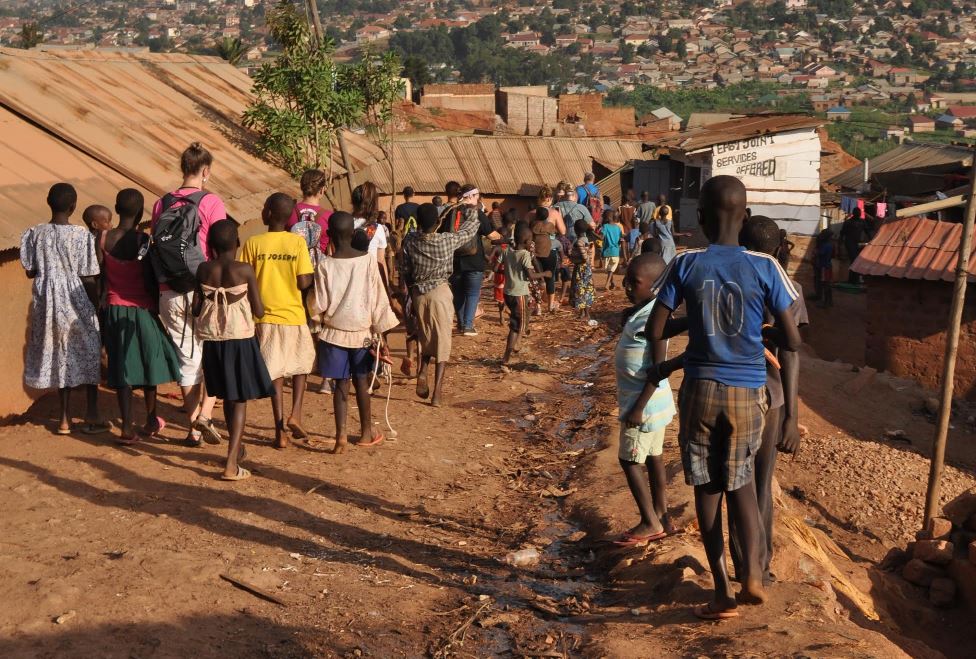
The LRA War
Two decades of conflict in Northern Uganda (1987–2008)
For over 20 years, the Lord's Resistance Army (LRA) waged one of Africa's longest-running insurgencies against the Acholi people — abducting an estimated 30,000 children as soldiers and forced wives, and displacing nearly the entire population of the sub-region.
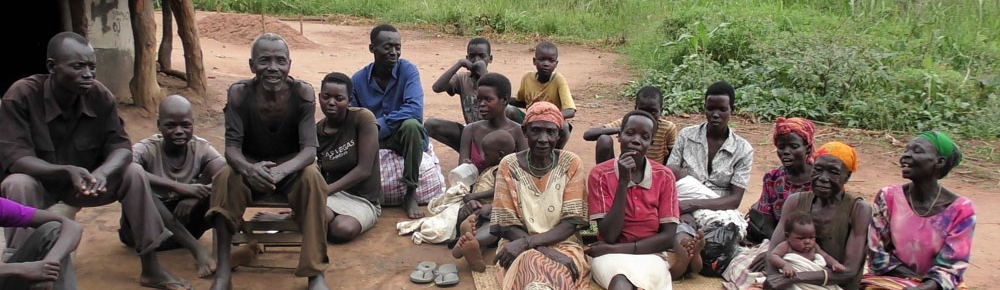
The IDP Camps
1.8 million people, 20 years, no way home
At the height of the war, more than 90% of the Acholi population — roughly 1.8 million people — lived inside Internal Displacement (IDP) camps run by the Ugandan government and international agencies. Weekly death tolls in the camps sometimes exceeded 1,500.
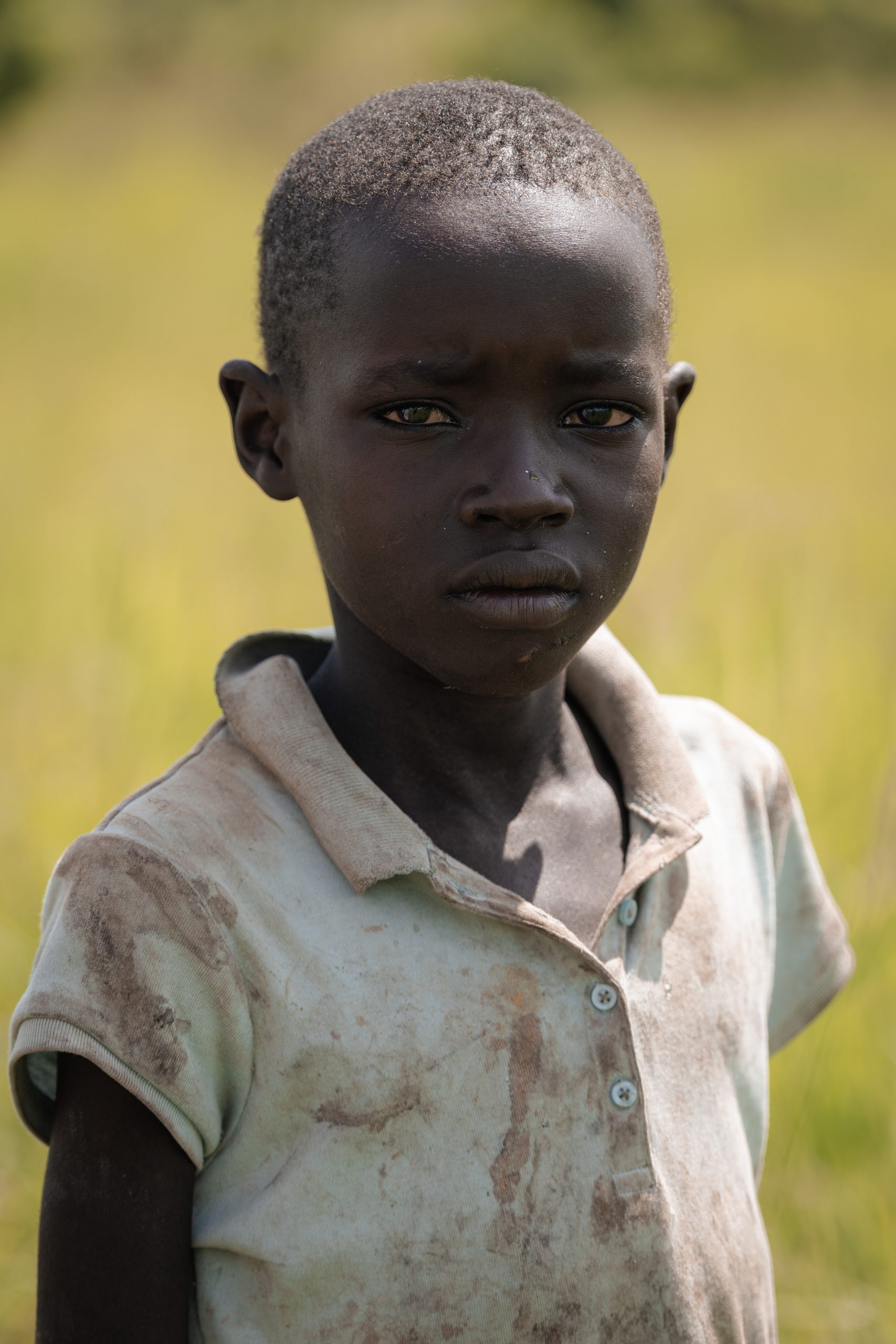
Nodding Syndrome
The mysterious disease of the war generation
Nodding Syndrome is a devastating neurological disease that emerged in Northern Uganda after the war, affecting children aged 5–15. It causes repeated head-nodding seizures, stunted growth, cognitive decline, and — untreated — death. Cases cluster almost entirely in former IDP camp areas.
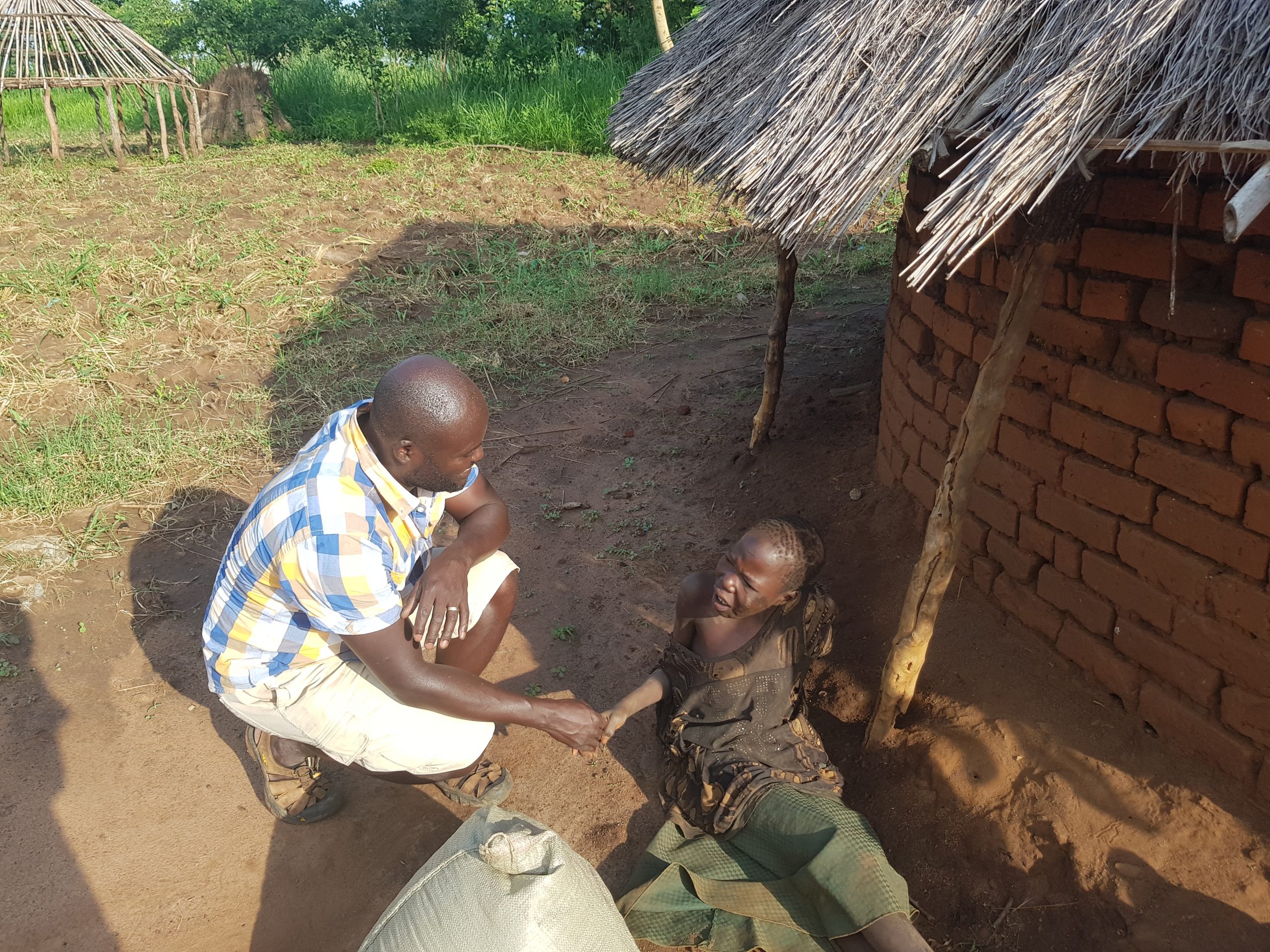
Malaria in Northern Uganda
The leading cause of childhood death in the Acholi sub-region
Malaria remains the single biggest killer of Acholi children under five. Long rainy seasons, standing water, weak clinic networks, and gaps in net coverage make it endemic across every district we work in. An insecticide-treated net costs $6 and lasts three years.
The Water Crisis
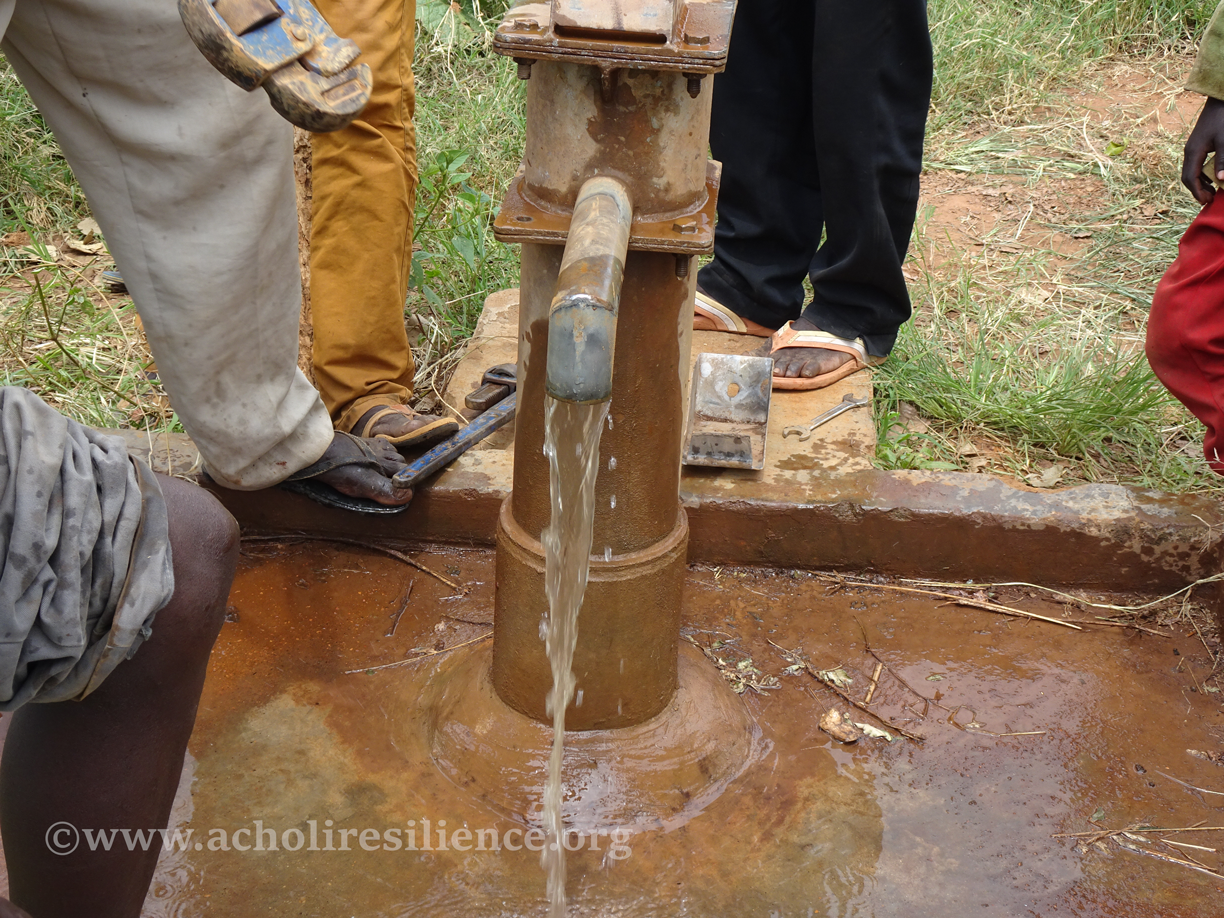
Four hours a day, for one jerrycan
Across the Acholi sub-region, women and children walk up to four hours each day to fetch water from open swamps and cattle ponds. Waterborne disease is one of the top three causes of child mortality. A single borehole serves 500 people for 20 years.
The Acholi People
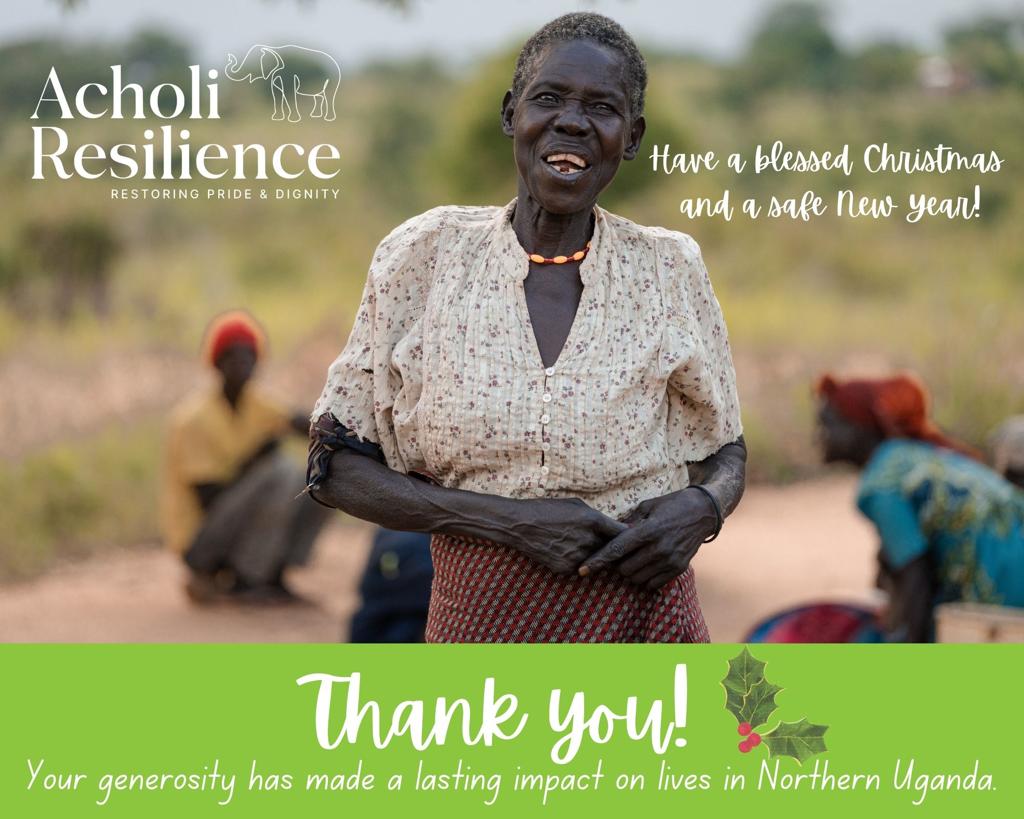
Nilotic, resilient, and rebuilding
The Acholi are a Luo-speaking Nilotic people numbering roughly 2 million across Northern Uganda and South Sudan. They are traditionally agrarian, organised around clans and chiefdoms (rwodi), with a rich oral tradition of song, dance, and storytelling that survived even the camps.
Sanctuary of Hope
A safe-house for children with Nodding Syndrome
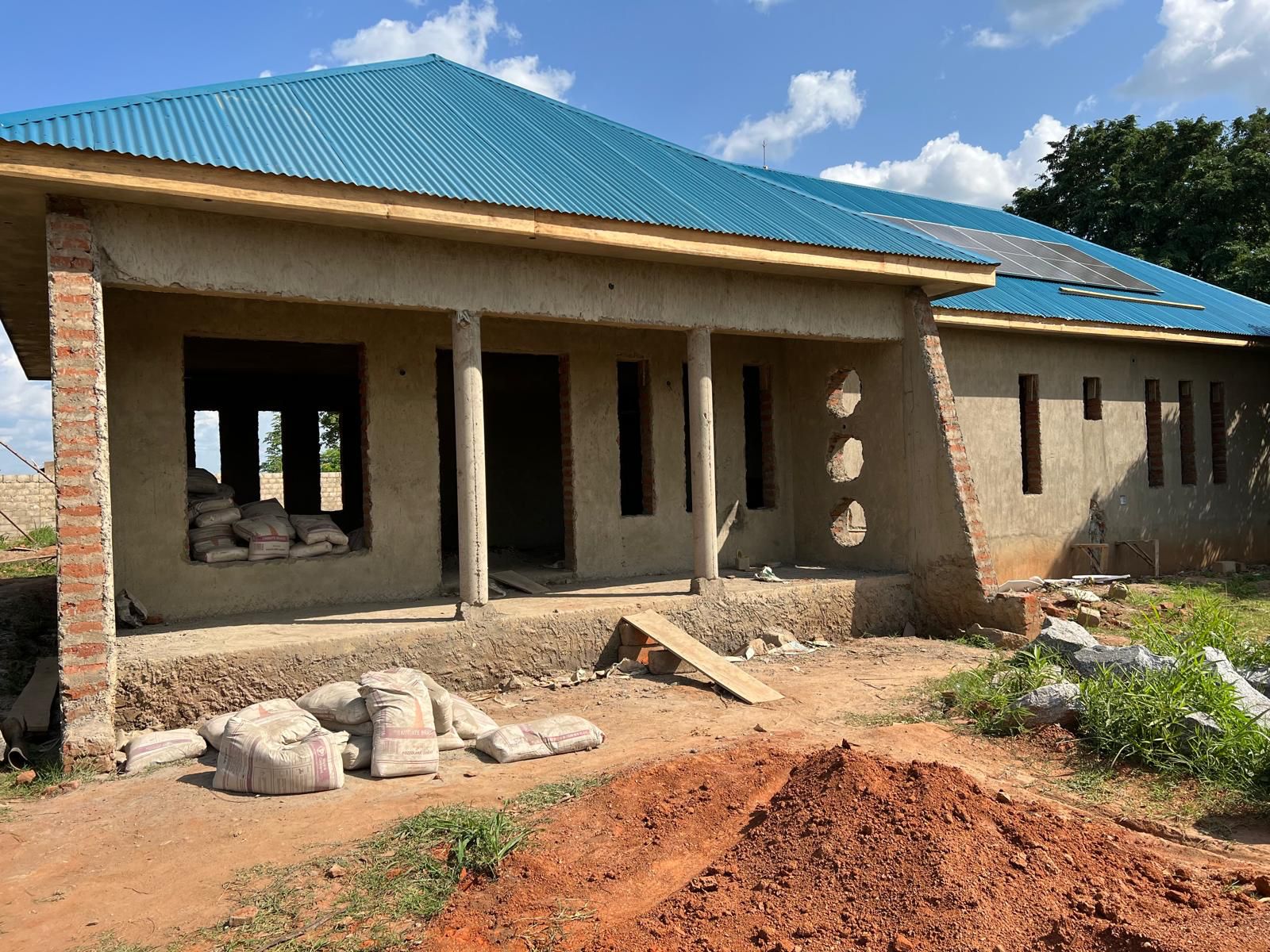
The Sanctuary of Hope is a purpose-built residential and day-care facility for children with Nodding Syndrome and severe disability, and for the widows and orphans of the war generation. The building is complete. We are now raising $45,000 to furnish it.
Schools After the War
80 children to a classroom, one teacher, no books
When Acholi families returned home in 2008, most village schools were roofless shells. Two decades later, primary classrooms in the region still routinely hold 80–120 children with a single teacher, few textbooks, and no desks.
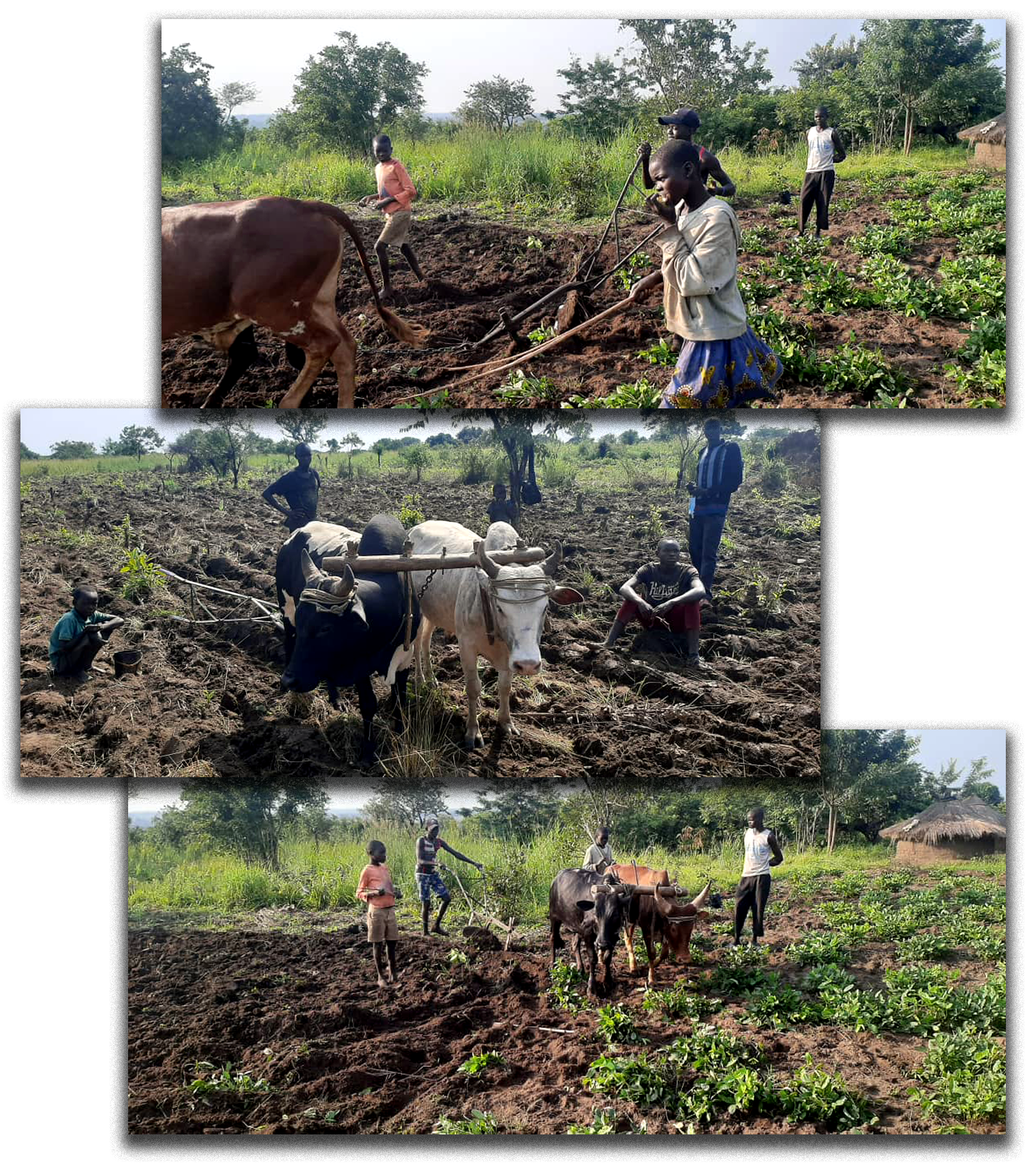
Farming the Return
From aid dependency to a 200-acre cooperative farm
After 20 years in camps, a generation of Acholi adults had forgotten how to farm. Acholi Resilience's sustainable agriculture program relearns those skills at scale — a 200-acre communal farm, a tractor, planting kits for individual families, and market co-ops.